
The Reversed Compass Layout
Difficulty: Hard
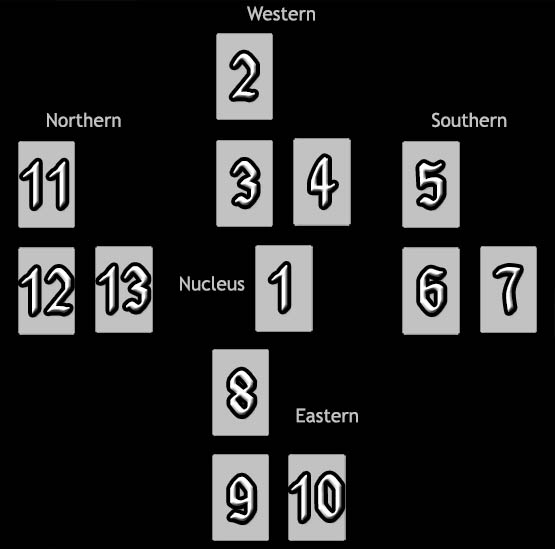
This reading sets the tiles in the celestial form instead of the terrestrial format that is used in navigational compasses, following the traditions of Chinese philosophy. This complex reading is very flexible in that one may focus on a specific or general question, or no question at all when using it.
In the Reversed Compass Reading, each of the sets of tiles have an influence on the issue represented by the nucleus. To interpret this reading properly, all the tile sets should be compared to the nucleus.
Your Reversed Compass Reading
Western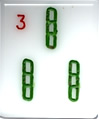 |
|||||
 |
 |
||||
Northern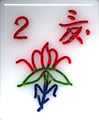 |
Nucleus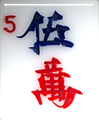 |
Southern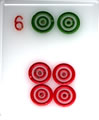 |
|||
 |
 |
 |
 |
||
Eastern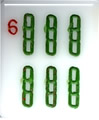 |
|||||
 |
 |
||||
1: The Nucleus
The House tile stands for the sanctuary of stability, comfort, and the intimate spaces where personal life unfolds. It symbolises not only a physical structure but also the psychological haven that supports your well-being. This tile suggests the quality of your environment—be it a home, workplace, or community—is deeply interwoven with your emotional state. In a positive reading, the House indicates a secure foundation where growth, nurturing relationships, and inner peace are fostered. Conversely, a challenging interpretation might point to stagnation, tension, or the need to reconfigure aspects of your personal domain to better support your aspirations. The House calls for careful introspection about where you reside, both externally and within, urging you to build or restore a setting that reflects your inner values and needs.
The Western tiles explore obstacles and strife caused by the Nucleus.
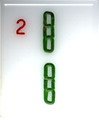
2: Western Tile 1
The Toad represents resilience through hardship, resourcefulness, and the rewards of patience. Its presence suggests a time of struggle or slow progress, but also the wisdom gained from perseverance. The Toad is often associated with wealth and protection in folklore, signifying hidden treasures that will only be revealed through hard work and dedication. Ambition may be high, but it warns against reaching beyond one's means without preparation. This tile urges patience—difficulties will pass, leaving you stronger and more grounded in your pursuits. Look beyond surface-level frustrations to recognise deeper opportunities for learning and growth.
3: Western Tile 2
The Willow bends but does not break. It symbolises resilience, flexibility, and the ability to withstand adversity. This tile signifies a test of endurance—life's trials may push you to the limit, but your strength lies in your ability to adapt and remain standing. The Willow also represents emotional intelligence and the necessity of compromise—by yielding where needed, you secure a future that remains strong and stable. This is a time to trust your inner wisdom and allow yourself to move with the winds of change rather than resisting them. Through patience and adaptability, you will emerge stronger and wiser.
4: Western Tile 3
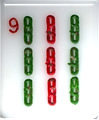
Symbolising the universe, the Tortoise embodies patience, endurance, wisdom, and the rewards of steady progress. This tile reminds you that slow and deliberate action leads to success that endures, rather than fleeting triumphs. The Tortoise is often a symbol of longevity and protection, indicating a strong foundation and stability in your life. If challenges seem to stretch endlessly, take heart—success will come with time, effort, and perseverance. It encourages careful planning and calculated decisions rather than impulsive moves. Trust in the long game; even if progress seems slow, your efforts will ultimately bring lasting results.
The Southern tiles represent current and near-future influences that are affecting the Nucleus.
5: Southern Tile 1
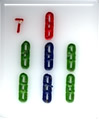
The Peach is an emblem of longevity, health, and divine favour. It is associated with immortality and the blessings of celestial beings. It signals a period of renewal and sustained well-being—both physically and spiritually. It suggests endurance, wisdom, and careful cultivation will bring lasting rewards. The Peach also represents rare and valuable opportunities that, once seized, can bring tremendous fortune and happiness. It may point to the presence of a nurturing force—whether a person or a vital inner quality—that fosters growth and compassion.
6: Southern Tile 2
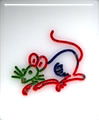
The Rat embodies industriousness and resourcefulness, symbolising the relentless pursuit of opportunity. It represents a mind that works methodically to accumulate essential resources and strategically prepare for future challenges. This tile speaks to shrewd decision-making, the skill of recognising hidden potential in everyday situations, and the disciplined work required for long-term security. At the same time, it cautions against excessive cunning and exploitation, reminding you that ethical conduct and balanced ambition are vital. The Rat encourages you to use vigilance and calculated planning to transform everyday actions into a robust foundation for success. It champions perseverance, continuous improvement, and the ability to adapt quickly to changing circumstances without compromising integrity. On the negative side, this creature can be cowardly, cunning, and cruel—and a major pest which spreads disease and destruction.
7: Southern Tile 3
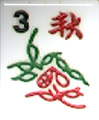
Autumn is the season of fruition, wisdom, and preparation for transition. It is a time when efforts bear fruit, and past choices reveal their consequences. This tile suggests rewards are coming, but they may require careful handling. Have you used your time wisely? Have you built something lasting, or are you seeing the results of neglect? Autumn teaches the importance of discernment—letting go of what no longer serves you while gathering what is valuable. This is a time for reflection, learning from past experiences, and preparing for the next cycle. It also serves as a reminder that all things are temporary, and change is inevitable.
The Eastern tiles are a composite of the factors in your personality that are influencing the Nucleus.
8: Eastern Tile 1
Water is the essence of flow, adaptability, and emotional expression. It represents the necessity of change and movement, encouraging flexibility in both thought and action. This tile suggests that a journey—physical, emotional, or metaphorical—may be necessary to resolve lingering issues or clear stagnation from your life. Water also governs communication, making this a time when honest and open dialogue is critical. Misunderstandings could arise if emotions are suppressed, so transparency is key. Like a river carving its way through stone, persistence in seeking truth will eventually overcome any obstacles in your path.
9: Eastern Tile 2
A symbol of devotion, emotional stability, and harmony, the Duck embodies long-lasting relationships built on mutual trust and shared goals. Whether in love, friendship, or business partnership, this tile speaks of unwavering loyalty and the ability to weather hardships together. The Duck's presence reassures that unity and commitment will overcome all obstacles, leading to enduring companionship and shared prosperity. It also serves as a reminder to maintain balance in relationships—communication, reciprocity, and emotional nourishment are necessary to sustain the bond. If conflicts arise, this tile encourages reconciliation through patience and understanding rather than stubbornness or pride.
10:: Eastern Tile 3
The Fire tile is a potent emblem of imbalance, transformation through crisis, and the urgency to address burning issues before they consume vital resources. It warns that an intense, potentially destructive force is at play, whether in the realms of finance, personal relationships, or spiritual well-being. Fire demands immediate attention, signalling that unchecked passions or conflicts may lead to irreversible losses. This tile forces you to confront what is out of control—whether it be a volatile situation, unresolved emotions, or unsustainable ambitions—and restore equilibrium before the conflagration spreads further. Yet, in its purifying aspect, Fire also carries the promise of renewal. By facing and resolving these fiery challenges, you can emerge cleansed, with a clearer sense of purpose and boundaries that protect your future.
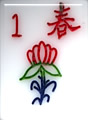
The Northern tiles indicate the outcome of the issue that the Nucleus represents.
11: Northern Tile 1
The Orchid is a symbol of elegance, integrity, and higher wisdom. It represents the pursuit of personal and spiritual elevation, urging you to rise above mundane distractions and embrace a more enlightened path. The Orchid is associated with those who dedicate themselves to knowledge and self-improvement. This tile suggests a time of refinement—whether in personal relationships, intellectual pursuits, or spiritual development. You are being called to cultivate grace, dignity, and a deeper understanding of the world around you. The Orchid also signifies that beauty and wisdom come from patience and cultivation, not force or haste.
12: Northern Tile 2
The Plum Blossom is a symbol of resilience, purity, and the resolve to endure hardship. Blooming in the cold of winter, it thrives where other flowers wither, representing perseverance through life's harshest trials. This tile suggests that even in difficult times, there is beauty to be found, and endurance will ultimately lead to renewal. The Plum Blossom also speaks to inner fortitude—your ability to withstand adversity with grace and dignity. Challenges may persist, but just as winter gives way to spring, your current struggles will lead to a period of flourishing. It encourages patience, reminding you that the most valuable growth often occurs in times of hardship.
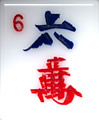
13: Northern Tile 3
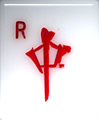
The Red Dragon is the embodiment of vibrant energy, success, and the fulfilment of destiny. It radiates warmth and vitality, symbolising the core drive that propels you towards achievement. In esoteric terms, the Red Dragon is not merely a sign of ambition but also a reminder to balance passion with moderation. Its fiery hue and central position reflect both the life force and the transformative power within, urging you to harness your inner courage to overcome challenges. As a harbinger of favourable outcomes, the Red Dragon warns against reckless pursuits, insisting that success arises from a harmonious integration of heart and mind. Its presence in a reading signals that your goals are within reach, provided you maintain clarity and determination amid the ebb and flow of life's challenges.