
Cross Layout
Difficulty: Easy
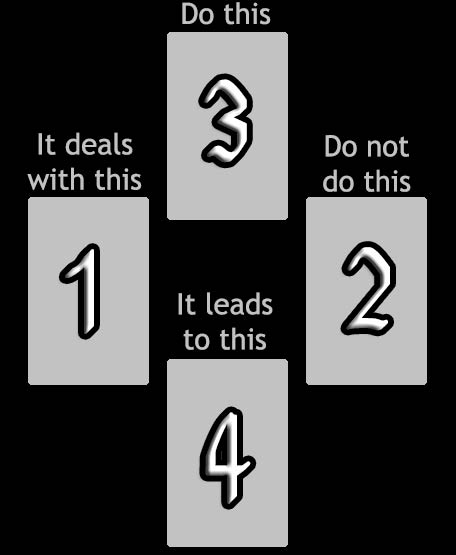
The Cross Spread is good for questions asking for advice. It can also be used to determine the meaning of a confusing tile from a previous reading, or for that matter, to shed light on other points of confusion.
In questions asking advice, this layout is self-explanatory. The main thing is to determine the difference between tiles #2 and #3. #1 is the topic and #4 is the result.
In questions regarding confusion, such as: "What was the meaning of Tile (X) in the last spread?" the main thing is also to determine the difference between tiles #2 and #3. In this case, #2 will show what the tile was not referring to, and Tile #3 will show what was really meant. Tile #1 is the topic and #4 represents the purpose it serves.
Your Cross Reading
DO This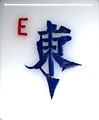 East Wind – Wood |
||
It Deals with This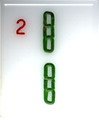 Bamboo 2 – The Duck |
Do NOT Do This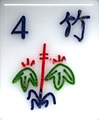 Bamboo – Learning |
|
It Leads to This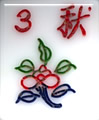 Chrysanthemum – Pleasure |
It Deals with This
Bamboo 2 – The Duck
A symbol of devotion, emotional stability, and harmony, the Duck embodies long-lasting relationships built on mutual trust and shared goals. Whether in love, friendship, or business partnership, this tile speaks of unwavering loyalty and the ability to weather hardships together. The Duck's presence reassures that unity and commitment will overcome all obstacles, leading to enduring companionship and shared prosperity. It also serves as a reminder to maintain balance in relationships—communication, reciprocity, and emotional nourishment are necessary to sustain the bond. If conflicts arise, this tile encourages reconciliation through patience and understanding rather than stubbornness or pride.
Do NOT Do This
Bamboo – Learning
The Bamboo represents resilience, adaptability, and the power of communal strength. Unlike rigid trees that snap in strong winds, bamboo bends but does not break, symbolising the ability to endure challenges through flexibility and wisdom. This tile calls for a balance between strength and surrender, reminding you that sometimes the best way to overcome an obstacle is to yield rather than resist. It also speaks to the importance of interconnectedness—family, friendships, and alliances provide stability and support. The Bamboo encourages you to lean on those around you, knowing that cooperation leads to greater success than solitary struggle. Just as a single bamboo stalk is fragile, but a grove is unbreakable, your strength lies in your connections and willingness to adapt.
DO This
East Wind – Wood
The East Wind represents the core of your being and the birth of new energy. This tile embodies the vital force of growth, mirroring the nurturing yet resilient nature of Wood. It signifies that the energies influencing your current state are rooted in your inner self—your creativity, ambitions, and authentic identity. In a reading, the East Wind magnifies surrounding influences, urging a return to your origins to re-establish balance and purpose. Its presence implies that growth comes from aligning with your true nature, emphasising organic development, adaptability, and the inherent strength to nurture new beginnings.
It Leads to This
Chrysanthemum – Pleasure
The Chrysanthemum is a symbol of long life, contentment, and the wisdom that comes with age. It carries the energy of peace and detachment, encouraging you to step back from the chaos of daily struggles and find serenity in the present moment. This tile suggests longevity is not just about physical endurance but also about maintaining emotional and mental equilibrium. It may indicate a time of rest, reflection, or enjoying the simple pleasures of life. The Chrysanthemum reminds you to cultivate patience and embrace the slow unfolding of events rather than pushing for immediate results. Like its petals that open gradually, fulfilment comes through steady, mindful progress.