
Decision Layout

Difficulty: Easy
This simple but highly useful spread calls for a question to be asked in this format:
"What happens if I do (X), and what happens if I do not do (X)?"
Please note that it should not be viewed as a decision between two different options, but about whether a single option should be exercised or not. A second option would call for a separate reading.
Tile #7 is the significator, the overall theme of the query.
Tiles #3, #1, & #5 represent the chronological sequence of events that occurs if the reader chooses to do (X).
Tiles #4, #2, & #6 represent the chronological sequence of events that unfolds if the reader chooses not to do (X).
Your Decision Reading
The Significator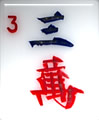 Wan 3 – Land |
Outcome if you do it: | ||
 Circles 3 – The Phoenix |
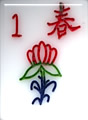 Plum Blossom – Innocence |
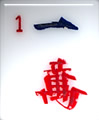 Wan 1 – Entering |
|
| Outcome if you don't do it: | |||
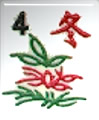 Winter – |
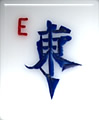 East Wind – Wood |
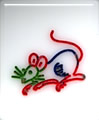 Rat |
|
Wan 3 – Land
The Land tile represents stability, nurturing growth, and the fertile ground upon which your aspirations can take root. It speaks to both physical and metaphorical landscapes, suggesting that your environment—whether a home, community, or inner state—is ready to support your ambitions. This tile emphasises that true progress is built on a solid foundation; it calls for an assessment of your current resources and surroundings to ensure they are conducive to long-term success. As a symbol of both abundance and grounding, Land encourages you to cultivate a sense of rootedness and stability. In this phase, growth will be measured by the strength of your base, and nurturing your inner landscape becomes as crucial as pursuing external achievements. This tile reminds you that when the earth is well-tilled, the seeds of your endeavours will flourish.
Outcome if you do it:
Circles 3 – The Phoenix
The Phoenix embodies rebirth, transformation, and the power of rising from the ashes of past struggles. This tile marks a significant change, often following a time of hardship or destruction. Though the process may be painful, it is necessary for growth and renewal. The Phoenix encourages embracing endings as a prelude to new beginnings, shedding the past like old feathers to allow something stronger to emerge. It is a symbol of resilience—no matter how difficult the circumstances, you have the inner strength to rebuild and thrive. This tile also suggests a realisation that will reshape your path for the better.
Plum Blossom – Innocence
The Plum Blossom is a symbol of resilience, purity, and the resolve to endure hardship. Blooming in the cold of winter, it thrives where other flowers wither, representing perseverance through life's harshest trials. This tile suggests that even in difficult times, there is beauty to be found, and endurance will ultimately lead to renewal. The Plum Blossom also speaks to inner fortitude—your ability to withstand adversity with grace and dignity. Challenges may persist, but just as winter gives way to spring, your current struggles will lead to a period of flourishing. It encourages patience, reminding you that the most valuable growth often occurs in times of hardship.
Wan 1 – Entering
The Entering tile signals the imminent removal of barriers that have confined you, ushering in a period when hidden opportunities become accessible. This tile speaks to the moment of transition when your efforts align with new gateways to success. It demands courage and readiness—entering uncharted territory with both determination and mindfulness. The energy of this tile implies that personal and professional doors, once firmly shut, are now opening. Embrace this moment as an invitation to move forward; however, the transition requires that you leave behind outdated practices and step into roles that foster growth. The Entering tile, thus, is both a call to action and a herald of transformation, underscoring that the rewards for seizing these new opportunities are worth the effort of change.
Outcome if you do not do it:
Winter –
Winter represents stillness, endings, and the contemplation that comes before renewal. This tile signifies a period of quiet, where external activity slows, and the focus turns inwards. It may indicate a time of rest, solitude, or even loss—but within this stillness lies great wisdom. Winter teaches that endings are necessary for rebirth; it is a time to release old burdens, reflect on experiences, and prepare for a new cycle. Patience is required, as growth often happens beneath the surface before it becomes visible. Trust the process—this period of dormancy is temporary, and spring will come again.
East Wind – Wood
The East Wind represents the core of your being and the birth of new energy. This tile embodies the vital force of growth, mirroring the nurturing yet resilient nature of Wood. It signifies that the energies influencing your current state are rooted in your inner self—your creativity, ambitions, and authentic identity. In a reading, the East Wind magnifies surrounding influences, urging a return to your origins to re-establish balance and purpose. Its presence implies that growth comes from aligning with your true nature, emphasising organic development, adaptability, and the inherent strength to nurture new beginnings.
Rat
The Rat embodies industriousness and resourcefulness, symbolising the relentless pursuit of opportunity. It represents a mind that works methodically to accumulate essential resources and strategically prepare for future challenges. This tile speaks to shrewd decision-making, the skill of recognising hidden potential in everyday situations, and the disciplined work required for long-term security. At the same time, it cautions against excessive cunning and exploitation, reminding you that ethical conduct and balanced ambition are vital. The Rat encourages you to use vigilance and calculated planning to transform everyday actions into a robust foundation for success. It champions perseverance, continuous improvement, and the ability to adapt quickly to changing circumstances without compromising integrity. On the negative side, this creature can be cowardly, cunning, and cruel—and a major pest which spreads disease and destruction.


