
Relationship Layout #2
Difficulty: Easy
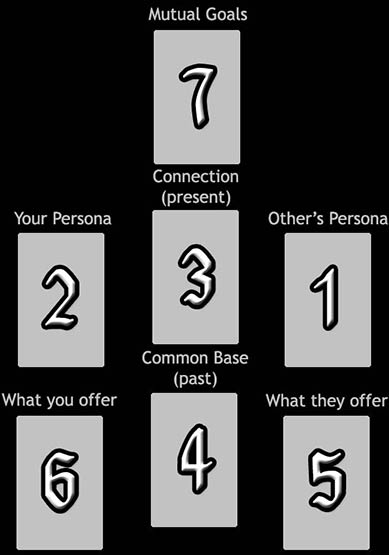
This relationship spread focuses more on the common ground of the relationship, with three tiles in the middle column showing the common ground. The middle column essentially displays the past, present, and future of the relationship.
Tile #4 stands for the common base of the relationship, which may be thought of as the past events which have shaped their characters, bringing them together. The current connection that binds them together is Tile #3, indicating the values shared. Tile #7 implies the common goals that would keep the pair together moving into the future.
The columns on either side show what each partner brings to the table. Remember, relationships need not be romantic, and the partners could even be groups rather than individuals. In this layout, the other person is on the left-hand side and the reader on the right.
Tiles #1 & #2 indicate the separate personalities of each member of the relationship. These tiles form a sort of bridge with the tiles beneath them, #5 & #6, which show the qualities that each partner offers the other person, and thus to the relationship as a whole.
Your Relationship #2 Reading
Mutual Goals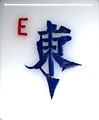 |
||
Your Qualities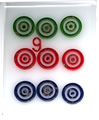 |
Connection (Present)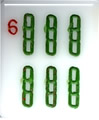 |
Others' Qualities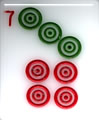 |
What You Bring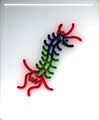 |
Common Base (Past)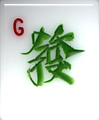 |
What They Bring 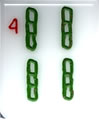 |
7: Mutual Goals
East Wind – Wood
The East Wind represents the core of your being and the birth of new energy. This tile embodies the vital force of growth, mirroring the nurturing yet resilient nature of Wood. It signifies that the energies influencing your current state are rooted in your inner self—your creativity, ambitions, and authentic identity. In a reading, the East Wind magnifies surrounding influences, urging a return to your origins to re-establish balance and purpose. Its presence implies that growth comes from aligning with your true nature, emphasising organic development, adaptability, and the inherent strength to nurture new beginnings.
3: Connection
Bamboo 6 – Water
Water is the essence of flow, adaptability, and emotional expression. It represents the necessity of change and movement, encouraging flexibility in both thought and action. This tile suggests that a journey—physical, emotional, or metaphorical—may be necessary to resolve lingering issues or clear stagnation from your life. Water also governs communication, making this a time when honest and open dialogue is critical. Misunderstandings could arise if emotions are suppressed, so transparency is key. Like a river carving its way through stone, persistence in seeking truth will eventually overcome any obstacles in your path.
4: Common Base
Green Dragon – The Commence
The Green Dragon symbolises the dawn of new endeavours, marking the threshold where old cycles conclude and fresh opportunities arise. It carries the energy of renewal, signalling that the time has come for a journey of transformation. In traditional lore, the Green Dragon is revered as the spirit of regeneration—its vibrant colour reflecting growth, healing, and the boundless potential of nature. It inspires a proactive embrace of change, encouraging you to initiate projects, relationships, or personal transformations with conviction and optimism. The Green Dragon's influence is subtle yet potent, urging you to trust the natural progression of events and to take that first step towards a future filled with promise.
2: Your Qualities
Circles 9 – The Unicorn
The Unicorn stands as an emblem of visionary insight, intuitive clarity, and the rare capacity to discern truths that lie beneath surface appearances. This tile conveys an ethereal quality, suggesting that you have a vision capable of revealing hidden patterns and underlying realities in both people and situations. It encourages you to trust in your intuitive gifts and cultivate a perception beyond conventional sight. The Unicorn's energy is one of subtle yet profound revelation—it implies that unique perspectives and psychic sensitivity can open doors to understanding that others may overlook. The Unicorn not only points to the presence of extraordinary insight within yourself but may also hint at the influence of a person with rare intuitive abilities who can guide you through complex circumstances. This tile reminds you that clarity arises when you combine rational analysis with a willingness to explore the mystical dimensions of experience.
1: Their Qualities
Circles 7 – The Insect
The Insect tile represents a surge of rapid, energetic activity that delivers quick, albeit transient, successes. It emphasises the potential for short bursts of inspiration and effort that can lead to immediate gains, but it also serves as a reminder that these victories are temporary. This tile underscores the importance of recognising that rapid action can act as a catalyst—a bridge—towards establishing more enduring achievements. It invites you to harness these moments of heightened energy to spark initial progress, while also urging you to develop strategies that convert these brief surges into a stable, long-term foundation. The Insect teaches that while adrenaline-fuelled initiatives can provide a vital boost, lasting growth depends on careful planning and deliberate, sustained effort once the initial momentum has been captured. Use these episodes as signals to seize opportunity, then transition to more measured actions that secure lasting benefits.
6: What You Bring
Worm
5: What They Bring
Bamboo 4 – The Carp
The Carp signifies perseverance, tranquillity, and spiritual fulfilment. A bringer of both material and emotional wealth, this tile reflects the journey towards balance and peace. Just as the carp swims against the current, overcoming obstacles will lead to deep contentment and inner harmony. The Carp is also associated with personal evolution—through consistent effort and inner strength, one can transform challenges into victories. This tile may also indicate a situation where patience and persistence will be rewarded, especially in matters of career, education, or self-improvement. A transformation is on the horizon; trust your ability to rise above adversity.