
Three Bones Layout
Difficulty: Very easy
This method of reading draws three tiles out of a randomized group of mahjong tiles. They are flipped to answer the question in chronological order.
Your Three Bones Reading
#1 Circles 2 – The Pine Tree |
#2 Circles 3 – The Phoenix |
#3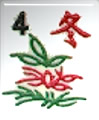 Winter – |
Bone #1
Circles 2 – The Pine Tree
The Pine Tree tile embodies steadfast strength, resilience, and mature resolve. It represents a powerful, determined individual—often a person of diplomatic skill—whose unwavering principles guide them through adversity. This tile speaks of enduring character, suggesting that success comes not from impulsive action but through planning, persistence, and accumulating wisdom. It encourages a balanced approach to life: fusing fortitude with measured patience and strategic foresight. The Pine Tree calls upon you to root yourself in your values, nurture your ambitions consistently, and let your steady progress be the foundation upon which lasting achievements are built.
Bone #2
Circles 3 – The Phoenix
The Phoenix embodies rebirth, transformation, and the power of rising from the ashes of past struggles. This tile marks a significant change, often following a time of hardship or destruction. Though the process may be painful, it is necessary for growth and renewal. The Phoenix encourages embracing endings as a prelude to new beginnings, shedding the past like old feathers to allow something stronger to emerge. It is a symbol of resilience—no matter how difficult the circumstances, you have the inner strength to rebuild and thrive. This tile also suggests a realisation that will reshape your path for the better.
Bone #3
Winter –
Winter represents stillness, endings, and the contemplation that comes before renewal. This tile signifies a period of quiet, where external activity slows, and the focus turns inwards. It may indicate a time of rest, solitude, or even loss—but within this stillness lies great wisdom. Winter teaches that endings are necessary for rebirth; it is a time to release old burdens, reflect on experiences, and prepare for a new cycle. Patience is required, as growth often happens beneath the surface before it becomes visible. Trust the process—this period of dormancy is temporary, and spring will come again.


