
The Three Dragons Layout
Difficulty: Moderate
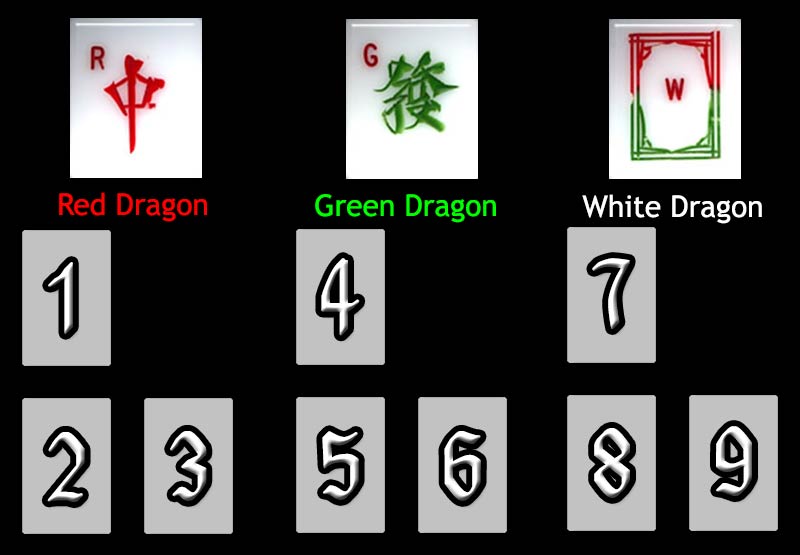
In Chinese culture, the dragon is generally considered a sign of great luck and power. However, in mahjong, red, green, and white dragons represent three distinct influences that can affect a person's life. The Dragon Reading creates a relationship between sets of tiles to each dragon, to explore how the three dragons will influence things now and in the near future.
Your Three Dragons Reading
 Red Dragon |
 Green Dragon |
 White Dragon |
|||
 |
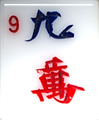 |
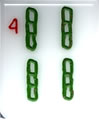 |
|||
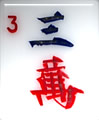 |
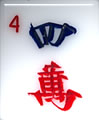 |
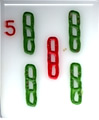 |
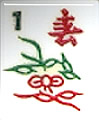 |
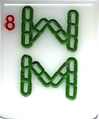 |
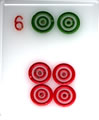 |
Red Dragon
Red #1
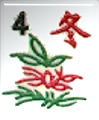
Winter represents stillness, endings, and the contemplation that comes before renewal. This tile signifies a period of quiet, where external activity slows, and the focus turns inwards. It may indicate a time of rest, solitude, or even loss—but within this stillness lies great wisdom. Winter teaches that endings are necessary for rebirth; it is a time to release old burdens, reflect on experiences, and prepare for a new cycle. Patience is required, as growth often happens beneath the surface before it becomes visible. Trust the process—this period of dormancy is temporary, and spring will come again.
Red #2
The Land tile represents stability, nurturing growth, and the fertile ground upon which your aspirations can take root. It speaks to both physical and metaphorical landscapes, suggesting that your environment—whether a home, community, or inner state—is ready to support your ambitions. This tile emphasises that true progress is built on a solid foundation; it calls for an assessment of your current resources and surroundings to ensure they are conducive to long-term success. As a symbol of both abundance and grounding, Land encourages you to cultivate a sense of rootedness and stability. In this phase, growth will be measured by the strength of your base, and nurturing your inner landscape becomes as crucial as pursuing external achievements. This tile reminds you that when the earth is well-tilled, the seeds of your endeavours will flourish.
Red #3
The Lute resonates with the harmonies of balance, introspection, and the gentle rhythms of life. This tile is an invitation to slow down, find solace in the delicate interplay of sound and silence, and appreciate the art of subtle expression. It symbolises the need for restorative pauses in an otherwise frenetic existence—encouraging you to nurture your creative and emotional well-being through the soft strains of music and contemplation. The Lute calls for a mindful retreat from stress, indicating that complex problems may be resolved through calm, deliberate reflection. In its vibration, the Lute speaks of letting go of discord and embracing the moments that allow your inner self to be heard, guiding you towards balanced decisions and a more harmonious existence.
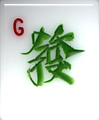
Green Dragon
Green #1
The Heavens tile embodies the notion of completion, divine orchestration, and the transcendence of worldly endeavours. It signifies that a cycle in your life is drawing to a close, marking the culmination of efforts and the readiness to embrace new horizons. This tile suggests the forces beyond the mundane—cosmic energies, fate, or spiritual intervention—are aligning to bring your current journey to a purposeful end. With this closure comes a clarity that allows you to contemplate the next stage of your evolution. The Heavens remind you that every ending holds the seeds of a new beginning, and that your destiny is part of a grand, ever-unfolding cosmic design. Trust that the completion of this phase is not a termination, but a necessary prelude to the emergence of higher aspirations and more expansive possibilities.
Green #2
The Lotus is a sacred emblem of rebirth, enlightenment, and the ability to rise above challenges. Its emergence suggests new beginnings—a birth, a fresh opportunity, or spiritual awakening. Rising from the mud to bloom in pristine beauty, this tile signifies triumph over adversity and the purity of spirit gained through hardship. The Lotus encourages letting go of pain, releasing attachments to negativity, and embracing a higher state of consciousness. It heralds a period of recovery and renewal, reminding you that even the most challenging circumstances can lead to profound clarity. Now is the time to embrace new perspectives and allow yourself to flourish.
Green #3
Spring is the season of renewal, fresh opportunities, and the awakening of potential. This tile signifies the start of a new chapter—whether in relationships, career, or personal growth. Seeds that have been planted, either in the physical or spiritual realm, are beginning to take root. Now is the time for action, as the energy of creation and expansion is strong. However, like any new growth, this phase requires nurturing, patience, and care. Rushing ahead recklessly may damage delicate progress. Spring is also a time of hope and enthusiasm; embrace change with an open heart, knowing that the cycle of renewal is in your favour.
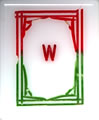
White Dragon
White #1
The Carp signifies perseverance, tranquillity, and spiritual fulfilment. A bringer of both material and emotional wealth, this tile reflects the journey towards balance and peace. Just as the carp swims against the current, overcoming obstacles will lead to deep contentment and inner harmony. The Carp is also associated with personal evolution—through consistent effort and inner strength, one can transform challenges into victories. This tile may also indicate a situation where patience and persistence will be rewarded, especially in matters of career, education, or self-improvement. A transformation is on the horizon; trust your ability to rise above adversity.
White #2
The Mushroom represents mystery, hidden growth, and transformation beneath the surface. Thriving in unseen places, it suggests that powerful changes are taking place even if they are not visible. This tile foretells unusual events that may alter your path in lasting ways, urging adaptability and open-mindedness. What may seem strange or unexplainable now could later prove to be a blessing. The Mushroom also speaks of intuition and secrets—hidden truths may soon be revealed, and new perspectives will emerge. Stay receptive to unexpected opportunities, as they could lead to greater wisdom and prosperity.
White #3
The Peach is an emblem of longevity, health, and divine favour. It is associated with immortality and the blessings of celestial beings. It signals a period of renewal and sustained well-being—both physically and spiritually. It suggests endurance, wisdom, and careful cultivation will bring lasting rewards. The Peach also represents rare and valuable opportunities that, once seized, can bring tremendous fortune and happiness. It may point to the presence of a nurturing force—whether a person or a vital inner quality—that fosters growth and compassion.