
Game Plan Spread
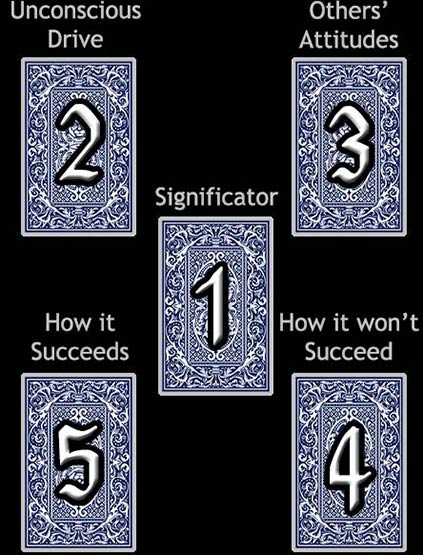
Difficulty: Easy
When a person has a certain plan in mind, this simple five-card spread presents a choice, hinting at what action or attitude should be taken for their plan to succeed, and what should be avoided to help the plan work out for the best.
The initial card is laid in the centre of the layout, the significator. The following four cards are laid out clockwise around the significator.
In this spread, the second card is about what drives the reader, but also says they are not fully conscious of this, perhaps even completely unaware of it. It provides a hint as to the reason they strive for their goal.
The third card uncovers what others think of the reader and their goals. The reader may or may not be aware of this. Sometimes other people factor into the plans (and sometimes they don't).
The fourth card suggests what not to do. If things are permitted to go down this path, the plan will collapse.
The fifth card is a hint as to how to make this plan work out favourably. The idea this card presents should be followed to make the plan successful. It is the differences between Cards #4 & #5 that should be noted, as the differences provide important clues.
Your Game Plan Reading
Unconscious Drive
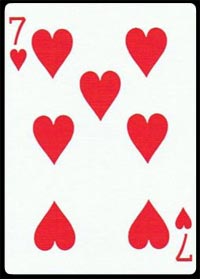 Seven of Hearts |
External Influences
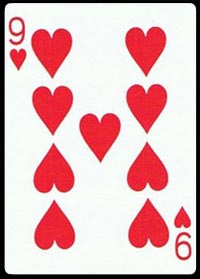 Nine of Hearts |
|
Significator
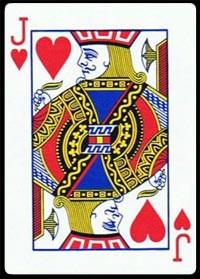 Jack of Hearts |
||
How it Will Succeed
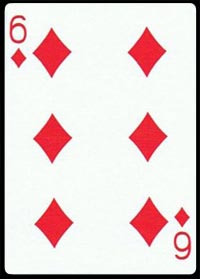 Six of Diamonds |
How it Will Not Succeed
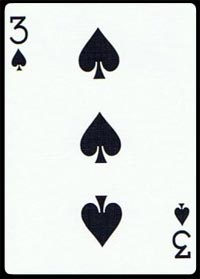 Three of Spades |
Jack of Hearts
Scorpio: Moving gracefully in the shadows, this enigmatic figure is driven by a fierce, insatiable ambition for hidden wisdom and power. His calm exterior belies an ocean of turbulent passion. His presence urges you to delve into the depths of your own emotions, confronting buried truths and harnessing transformative intensity, even when it challenges the status quo.
Seven of Hearts
Debauch (Venus in Scorpio): The Seven of Hearts warns of the dangers of unbridled passion when it tips into excess. With Venus in Scorpio intensifying its energy, this card highlights a descent into moral ambiguity—where the allure of indulgence may lead to deception and loss of integrity. It calls for reflection on your desires, encouraging you to cultivate a balance between passion and ethical grounding, lest you become entangled in fleeting, self-destructive pursuits.
Deception, shameless indulgence, lust, fornication, intoxication, delusion, promises unfulfilled.
Nine of Hearts
Happiness (Jupiter in Pisces): Effusive and expansive, the Nine of Hearts is a celebration of emotional well-being and the deep-seated joy that comes from embracing life's mysteries. Guided by the benevolent energy of Jupiter in Pisces, it signifies a state of bliss and inner harmony, where love, compassion, and gratitude infuse every moment. This card invites you to bask in the glow of happiness, celebrate your successes, and share your radiance with those around you.
Three of Spades
Sorrow (Saturn in Libra): Shrouded in melancholy, the Three of Spades brings the weight of sorrow and disruption. Under the sombre influence of Saturn in Libra, it embodies the inevitability of loss, delay, and separation. This card gently warns that the seeds of discord and melancholy, though painful, are integral to the cyclical nature of growth—each moment of sorrow paving the way for deeper wisdom.
Melancholy, disruption, discord, delay, separation.
Six of Diamonds
Success (Moon in Taurus): Under the nurturing glow of the Moon in Taurus, the Six of Diamonds is a celebration of material achievement and generous influence. This card reflects not only financial gain but also the nobility that comes from sharing success with others—be it through philanthropy, leadership, or personal integrity. It invites you to recognise and build upon your accomplishments, transforming tangible rewards into legacies of prosperity and goodwill.
Material success and gain. Influence, philanthropy, nobility.