
Comic Strip Spread
Difficulty: Easy
Note: This spread works best with decks like the Diary of a Broken Soul or Surrealist Tarot because they display scenes rather than pips and do not use reversals.
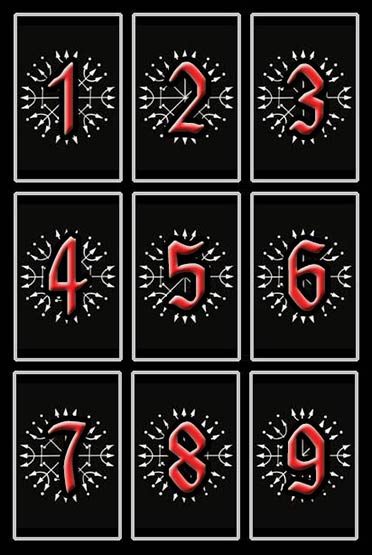
The Comic Strip Spread is a simple nine-card chronological spread that looks like a page of a comic book. This method should be used to get a glimpse of the future as it would pan out naturally. It may be insightful to use this spread in coordination with biorhythms. The spread is easy to read as a storyboard, just like a comic strip.
The main subject is apparent in the first card, while the story plays out through the following tarot cards.
It is important to pay particular attention to the cards and the relationships with their neighbours. Notice which directions the cards are facing, and how they interact.
Your Comic Strip Reading
The Star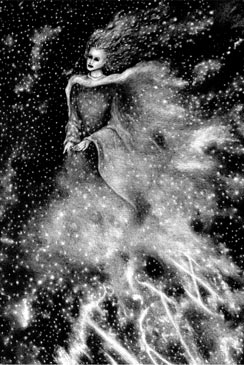 |
3 of Hearts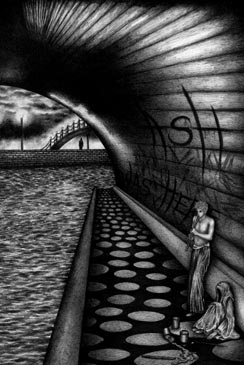 |
6 of Diamonds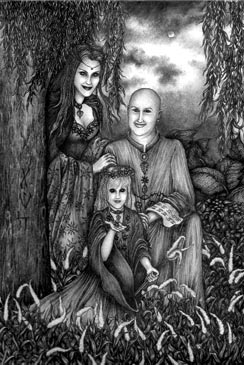 |
King of Spades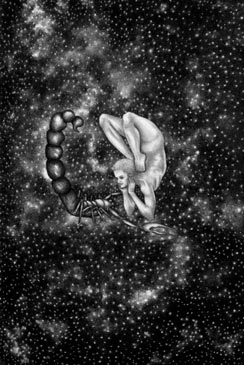 |
The World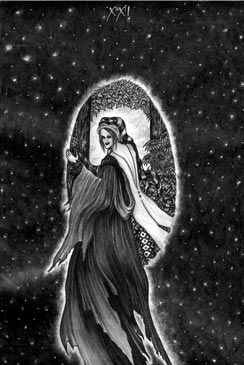 |
Ace of Diamonds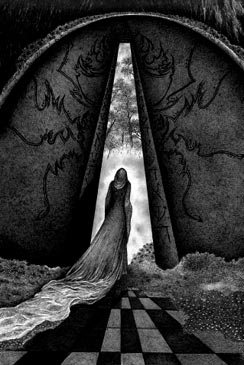 |
7 of Clubs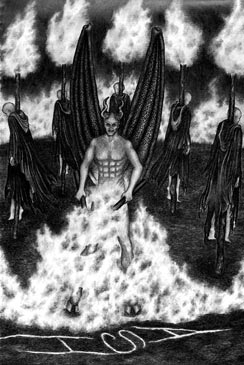 |
Page of Hearts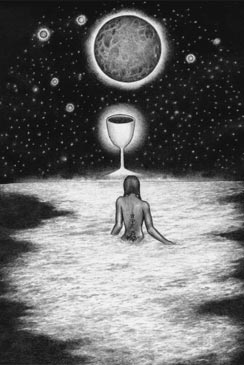 |
Ace of Hearts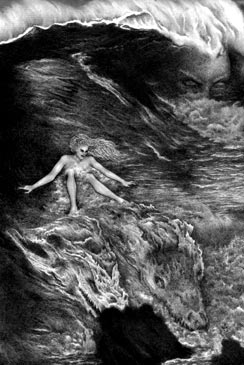 |
Card 1: The Star
The Star shows the process of formation or disintegration of a nebula. The light from this process takes millions of light years to reach our galaxy millions of years so it is not "the present" moment as we see it. The Star card in The Diary suggests that all tangible things are subject to a cycle of creation that moves at its own pace and direction.
As the seeker, this card indicates that there are aspirations that are yet to be met or have already been fulfilled and it is time to either create the energy necessary for its formation; or allow it to disperse if the creation process is completed. Wishes are thoughts that are formed in the consciousness and it is up to the seeker to manifest it; or allow it to dissipate if it has already run its course.
As a situation, this card suggests a time of evaluating what is required to bring about the reality one wishes to create in one's future that is eventually to form a destiny. It may also suggest that dreams are the seed that requires one's effort to manifest into reality provided the steps are taken to ensure its growth. Without first identifying the situation one wishes to create, the possibility dissipates into unfulfilled aspirations.
Card 2: 3 of Hearts
The demonstration of being a true friend in circumstances where others may choose to turn a blind eye. Being with someone and accepting them for what they are and who they are. A state whereby it is possible to feel comfortable with the energies of another, even though both parties may be partaking in different activities. The ability to watch over someone we care about without taking on the role of judge and jury should we disagree with their actions.
Card 3: 6 of Diamonds
Extending the hand of welcome or friendship. Being accepted into a community or circle where prejudgements are withheld. Offerings made unconditionally with no expectation of receiving in return. The passing on or sharing of attributes that can bring about harmony and acceptance.
Card 4: King of Spades
Standing your ground and being equal to the posturing of another. Not acquiescing or walking away when threatened or intimidated. Mutual respect offered and received when faced with the energy of another who would have otherwise assumed a superior role. Ability to bring a perceived threat down to a tolerable level through the use of clear communication. Acceptance of differences and similarities we have with others. This could indicate a person who will face any challenge head on and can back up their actions with appropriate words where necessary.
Card 5: The World
From the Fool, we have come a full circle. What is there left to do but start over?
With a song in her heart and a prayer upon her lips, she steps out of the abyss into the World.
Card 6: Ace of Diamonds
Indication that a path previously trodden will change in the near future. Either something will be opening up and becoming apparent, or it could indicate the curtain is about to come down, possibly leading to closure of sorts. Wondering if the grass is in fact greener on the other side. Consideration given to what you have right now against what you could have.
Card 7: 7 of Clubs
Depending on which character is identified with it could either indicate overcoming adversary against all the odds, or being the victim of the actions of another. Resistance to the fate faced by others. Reluctance to face consequences of personal actions, particularly if they are at the expense of others around you. If the flame is a focal point, it could show that consequences have been acknowledged, and action is being taken to purge the energy or memory of those deeds.
Card 8: Page of Hearts
The awakening of new or unrealised emotions, often associated with maturation out of adolescence into adulthood. Following the calling of the heart, even though there is no real understanding of what is being done or why. The taking of those early and tentative steps towards romantic attraction.
Card 9: Ace of Hearts
The possibility of extremes of emotion being experienced in equal measures. The real chance of being brought down to a ground level of being should we feel we have become over confident or egotistical. The start of an emotional roller coaster ride, possibly accompanied by a willingness to take risks even though it may cause us to crash harder as a result.