
The Three Pyramids Spread
Difficulty: Complicated
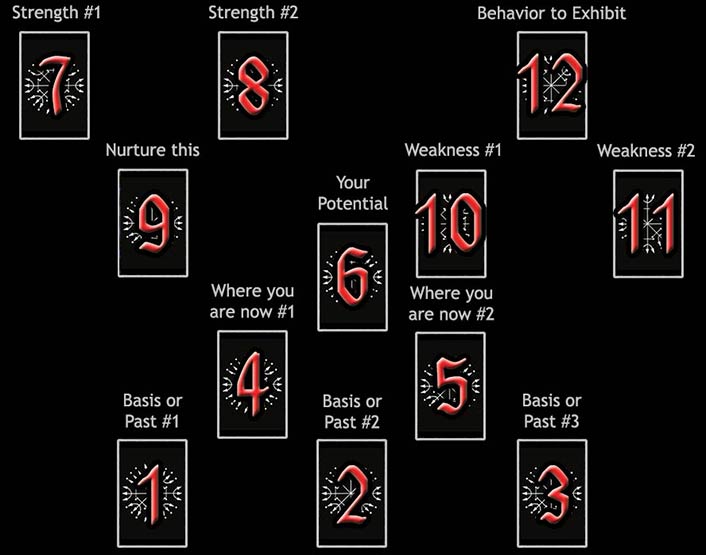
Basically, there is the main pyramid in the centre, and two smaller pyramids on each side. One is inverted.
Positions 1 & 3 represent where the reader comes from, or what has made them/shaped them on the various levels. Can be from environment, upbringing, schooling, etc. A look at the past, but with more objectivity than is usually given when using tarot cards.
Positions 4 & 5 represent who the reader is right now. May or may not make pleasant reading, but hey, this is what this is about, right?
Position 6 represents who the reader could be. Again, it might or might not look good, but a person can learn from that and change who they are accordingly. (This is a bit like how Scrooge did things in 'A Christmas Carol'.)
Positions 7 & 8 are the reader's strengths. This is the light they have, which can be bought to the forefront. What carries the person should not be hidden or unacknowledged.
Position 9 represents what should be given to oneself or created within.
Position 10 & 11 represent personal areas for development or weaknesses. Again, might not make good reading, but if someone looks at their strengths first, they will be able to see a balance is there and can choose to focus on one side or the other. This is where a person could really see how their shadow side comes into play.
Position 12 represents what the reader should be offering externally, or what they can bring to their world or to others who inhabit that world.
Your Three Pyramids Reading
Strength #1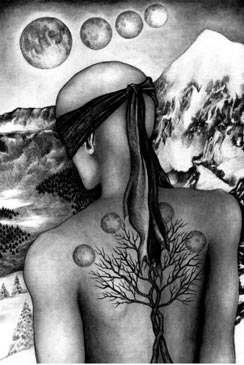 |
Strength #2 |
 |
Exhibit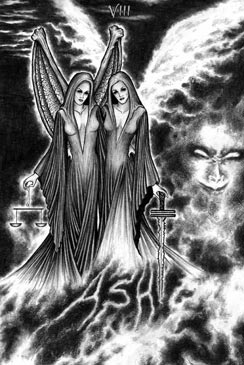 |
|||
Nurture This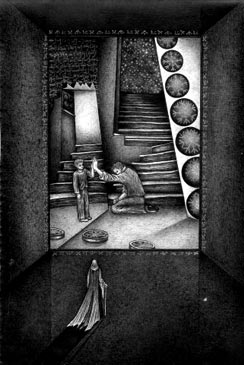 |
Potential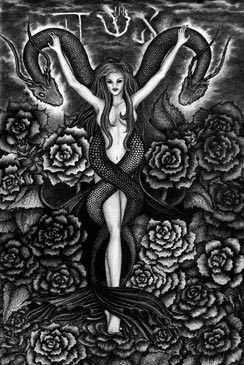 |
Infirmity #1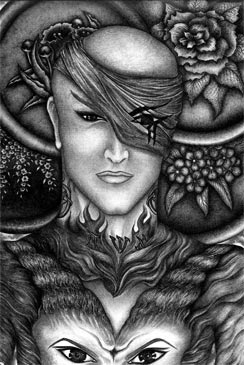 |
Infirmity #2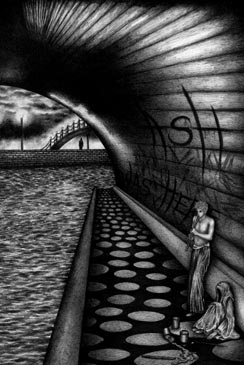 |
|||
Now #1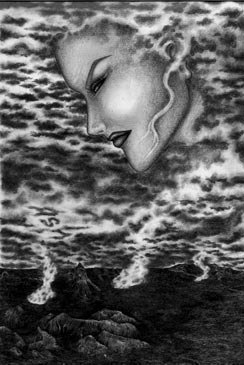 |
Now #2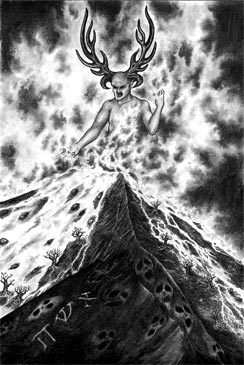 |
|||||
Base (past) #1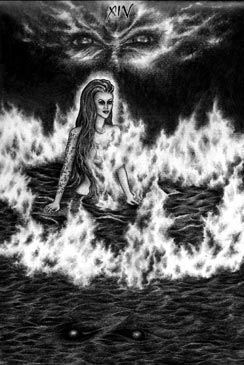 |
Base (past) #2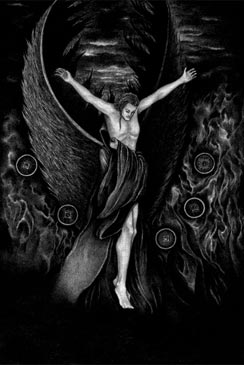 |
Base (past) #3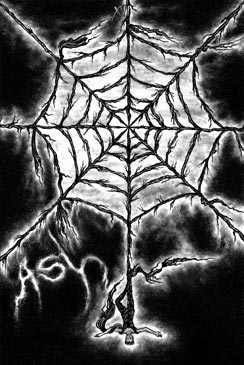 |
1: Base #1
Temperance demonstrates the ability to maintain equilibrium between opposing elements; she is the bridge between extremes.
The Seeker as Temperance suggests a path of moderation; seeking internal balance before one is ready to face external challenges. This card may indicate the need to resolve conflicting aspects within ourselves before we are able to restore peace into our environment.
As a situation, this card indicates a stage of mediating between opposing views; finding the middle ground to facilitate progress; restoring order in a disruptive environment. As such, we may need to explore options that allow amicable solutions to present themselves rather than allow one or the other extreme to take over.
2: Base #2
Experiencing of hardship. Acknowledgement that suffering can be partnered with dignity, particularly if it is open to public scrutiny. Either being supported, or the offering support at a time of need. Being receptive to the energies of others, particularly if they are there to help or protect against external influences.
3: Base #3
This Hanged One is suspended in limbo but it is not a decision that is made in haste. This card suggests a stage where decisions are made based on unconditional sacrifice; without expectations of anything in return.
The seeker as The Hanged One may allow us to make choices that require some form of sacrifice; but they are made without conditions attached thus, it is an opportunity for growth and maturity.
The situation as The Hanged One suggests not making decisions in haste. If the outcome of any given situation depends on choices that we make; we may wish to reflect on how our contributions can and will influence the circumstances before making a move.
4: Where you are now #1
Doing what is needed to pave the way for a new beginning or regrowth regardless of how long it may take to manifest. Honest communication or wise counsel. Observing others allowing them to learn by their own mistakes before offering guidance as to how the lesson can pave the way for future endeavours. Knowing when silence is the most appropriate way of dealing with another person or issue and when to be to the point verbally. This could indicate a person who will be honest in their communication with themselves as well as others, impervious to the fact they may at times appear insensitive.
5: Where you are now #2
A person with strong beliefs of what is right and what is wrong, and will not be swayed in those beliefs. The ability to cut away anything that has no purpose or use to them. The urge to in right any personal sense of being wronged, flaunting a fighting spirit whereby arguments are backed up with appropriate actions. Coming across as being unforgiving by nature. Being aware of the bigger picture and long-term objective, and the taking of appropriate action regardless of the fact a few toes may be trod on along the way. This could indicate a person who likes to be active and can energise others around them with their enthusiasm.
6: Your potential
The Empress card suggests a stage of gestation; it is defined by how one develops providence into something more. If an opportunity presents itself, this card represents the need find the balance between knowing when to foster growth and when to let go.
As the Seeker, this card represents the reality that too much attention stifles development, too little and it verges on neglect.
In a situation, The Empress card is a reminder that opportunities are abundant, it's what we do with them that determines success or failure.
7: Strength #1
Allowing events to unfold without the desire for foresight. Having faith in the fact that destiny will prevail, instead of giving in to the urge whereby we try to manipulate fate. Putting trust in the guidance that is being offered, understanding it will not cause you to falter or stumble. Using intuition as your guide as opposed to the normal senses of sight, hearing or touch. Resisting the urge to interfere with or manipulate the world around you.
8: Strength #2
Taking stock of yourself and where you have come from. This may give an indication of what is to come. Seeing yourself or others around you with eyes wide open, thus being aware of issues previously hidden. Being objective when viewing your previous actions, and by keeping emotion out of the equation it can lead to constructive enlightenment. Having no regret of previous actions, but acknowledgement of the fact they can prove to be valid life lessons for the future.
9: Nurture this
If the main focus is the elderly gentleman there could be an indication of taking an objective view of previous actions or relationships. If the main focus is the kneeling figure, it could show there is a pull to hang onto childhood or anything represented by childhood. Alternatively, it could show the turning of a back on material gains with an acknowledgement that friends and family are more important. If the main focal point is the child itself, it may indicate innocence and childhood are about to be left behind, but with no fear being shown in relation to the forthcoming changes.
10: Weakness #1
Acknowledging what has been amassed or coveted can either bring pleasure or discomfort depending on how it is utilised or directed. Facing of consequences for misuse of resources or finances. Guidance to use the heart when assessing what is of worth as well as the head. Sharing of experiences with others so that lessons can be learned, thus reducing the chance of the situation being unnecessarily repeated.
11: Weakness #2
The demonstration of being a true friend in circumstances where others may choose to turn a blind eye. Being with someone and accepting them for what they are and who they are. A state whereby it is possible to feel comfortable with the energies of another, even though both parties may be partaking in different activities. The ability to watch over someone we care about without taking on the role of judge and jury should we disagree with their actions.
12: Behavior to exhibit
Duality (traditionally known as Justice) is the card that represents cause and effect. Taking responsibility is not about assigning blame or surrendering to consequences blindly; rather it is about owning up to the circumstances we have helped create for ourselves.
Duality as an individual in a reading reminds us to weigh the severity of our actions carefully for every choice that we face and subsequent decision that we make sets the wheel in motion.
Duality as a situation may indicate the need to remain objective and impartial in assessing options that are open to the individual. Sometimes, clarity of thought cuts through confusion where emotions cloud the judgement.