
Relationship Spread #1
Difficulty: Easy
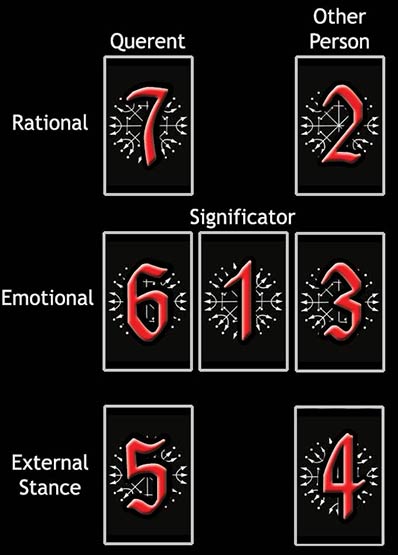
This tarot spread is easy to read, like a convenient chart. In this spread, court cards generally indicate actual people with the same characteristics. Knights (or corresponding princes, but not kings) and queens are meant to represent actual men and women in this tarot spread. Look for patterns in the cards as always.
Card #1 is the overall significator of the relationship. The two columns on either side of the significator characterise each individual's role in the relationship. The relationship does not have to be romantic. In fact, it could be a relationship between a person and a group, or even how two groups relate.
The top row, cards #7 & #2, is about the conscious thoughts of each person, or what they think about the relationship and likewise how they view their partner.
The middle row, cards #6 & #3, reveals the way each individual feels about the other. Emotional awareness corresponds to a person's unconscious thoughts that run deep, affecting a person in ways he or she is not fully aware of.
The bottom row, cards #5 & #4, represents the way each person behaves, in other words the stance taken regarding the relationship. The way a person acts may be genuine, but sometimes people are phony and manipulative, so it is best to weigh this card against the other person's cards to determine how they match up.
Your Relationship #1 Reading
| You | Other Person | ||
| Thought | 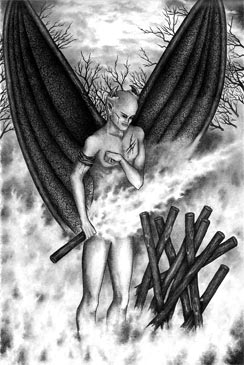 10 of Clubs |
 8 of Spades |
|
| Emotion | 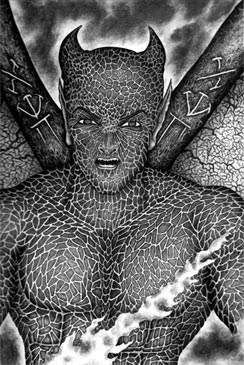 Jack of Clubs |
The Significator 5 of Spades |
 6 of Clubs |
| External Stance | 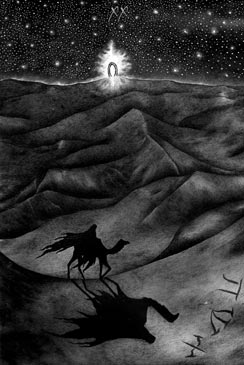 Redemption |
 10 of Spades |
The Significator
5 of Spades
Dilemma of action or inaction. Knowing when to make a stance and fight, and when it is more advisable to wait awhile in the hope conditions become more favourable. A choice of getting involved in someone else's battle or putting personal needs first. The need to weigh up all odds or to evaluate all variables before deciding a course of action.
The Querent's Thoughts
10 of Clubs
Shedding of a load or burden. Letting go of a part of your life that has now run its course and is no longer of relevance. Reflecting on what has perhaps been challenging and assessing how that challenge is now paving the way for the next step or stage of your journey.
The Other Person's Thoughts
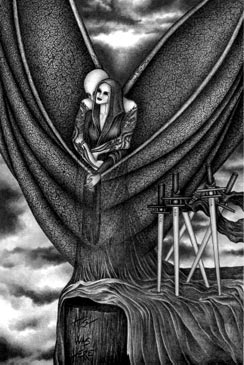
8 of Spades
Issue of either feeling either trapped or protected, often by the energies of another. The relinquishing of personal freedom. Putting yourself out to ensure the safety or well-being of another. Either being smothered by the attentions of someone else, or being the person who is doing the smothering.
The Querent's Emotions
Jack of Clubs
By nature a tendency to be impetuous or to be easily distracted. The characteristic of acting first and thinking later. A tendency to not think through repercussions of actions. A person who may not feel any sense of fear, and will tackle any task with vigour and enthusiasm.
The Other Person's Emotions
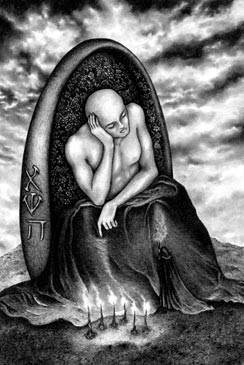
6 of Clubs
Boredom or apathy with what we are doing or what we have achieved. The giving up on a task before it has reached completion or conclusion. Lack of attention to a task at hand, with a risk all efforts made to that point could reverse or come undone. Falling asleep mentally or spiritually through lack of inspiration or motivation.
The Querent's External Stance
Redemption
It is where we will find the eye of the needle and cross it;
a place none may follow but it's going to be alright because we are finally ready to take
responsibility for choices we made; we are finally ready to face ourselves.
Who amongst us fear Judgement?
In search of redemption; what we reap as our reward is what we have sown all along.
The Other Person's External Stance
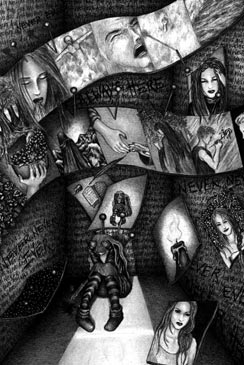
10 of Spades
The feeling of being under intense and unrelenting mental pressure. Believing it is not possible to cope with what is happening, or that it is not possible to deal with any further or additional issues. The need to find an outlet for internal mental anguish so that the heaviness can be eased in some way. The possibility of unresolved past issues resurfacing, which may then give the impression they are haunting us in a way that makes escape seem impossible. Failing to see the light indicating there is a way out from your current mental state.